
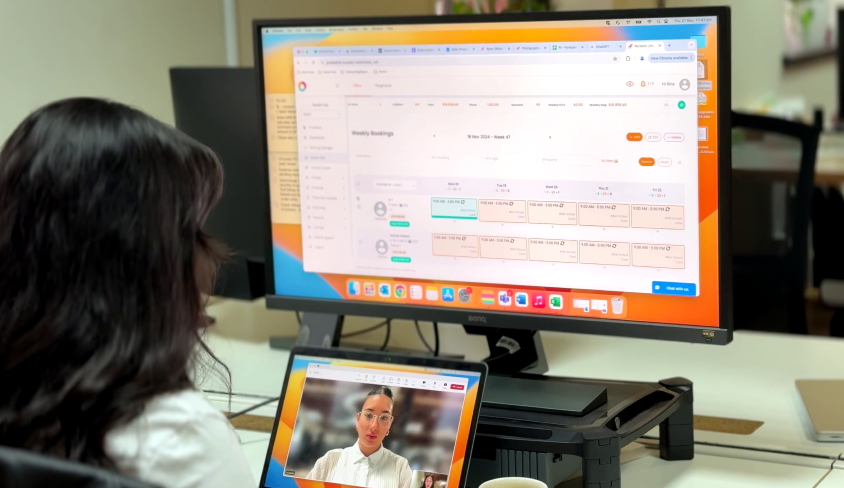
For early childhood education and care (ECEC) services, changing software is rarely a simple administrative decision. It can disrupt routines, add pressure to already busy teams, and introduce new learning curves at a time when stability is essential. Whether moving to meet regulatory needs, improve efficiency, or support growth, a transition that isn’t managed well can create stress for educators, administrators, and families alike.
Yet recent onboarding insights from Xplor Education show that when services receive structured, personalised support, the process becomes far more manageable — and in many cases, surprisingly smooth.
Why Onboarding Matters More Than Ever
A software transition affects every corner of a service. As one piece of feedback captured in Xplor Education’s 2026 onboarding insights notes, teams value onboarding that feels “easy”, “reliable”, and “quick”, particularly when guidance is clear and support staff respond promptly to questions.
ECEC leaders also highlighted the importance of having knowledgeable, friendly staff available throughout the transition, describing how support teams regularly go “above and beyond” to reduce stress and keep the process on track.
These experiences help explain why more than 350 services reported an average 93.8% satisfaction (CSAT), based on their onboarding and training experiences with Xplor Education over the past 12 months.
However, onboarding is not a one-size-fits-all process. Smaller services often want a quick turnaround — sometimes completing setup and training within days. Larger organisations may need a phased approach, introducing new workflows gradually to minimise disruption. Both pathways are valid, and both can be successful when support is tailored accordingly.

Tips for a Smoother Transition
Drawing on feedback and training insights, several practical approaches can help services reduce the time, cost, and stress normally associated with software changeovers:
1. Set the pace that suits your service
Some teams prefer fast onboarding to minimise the period of running two systems in parallel. Others take a staged approach, aligning training with roster availability or prioritising certain functions first. Support teams can adapt to either pace, ensuring no one feels rushed.
2. Make training accessible beyond go live
One common challenge services raise is that during busy opening periods, educators may only absorb what they need right then. When questions arise weeks or even months later, ongoing access to clear training materials becomes essential.
3. Maintain consistent communication
Teams report that regular updates — even short ones — support confidence and ensure everyone understands what’s changing and why. Clear communication also reduces the risk of small issues becoming bigger roadblocks.
4. Use structured learning pathways
Services that adopt structured learning sequences tend to complete onboarding more efficiently and with fewer support queries. Early upload of all staff accounts and clear training progress checks help keep everyone aligned.
Supporting Services With One-to-One, Personalised Onboarding
A recurring theme across Xplor’s 2026 onboarding insights is the value of personalised, hands-on support. Services repeatedly praised support specialists for being “friendly”, “knowledgeable”, and “responsive,” helping make the transition feel far less daunting than expected.
At Xplor, this one-to-one support is available for all products and delivered free of charge — reducing financial pressure at a time when many services are already navigating tight budgets.
Xplor Academy: Ongoing Learning That Fits Around Busy Schedules
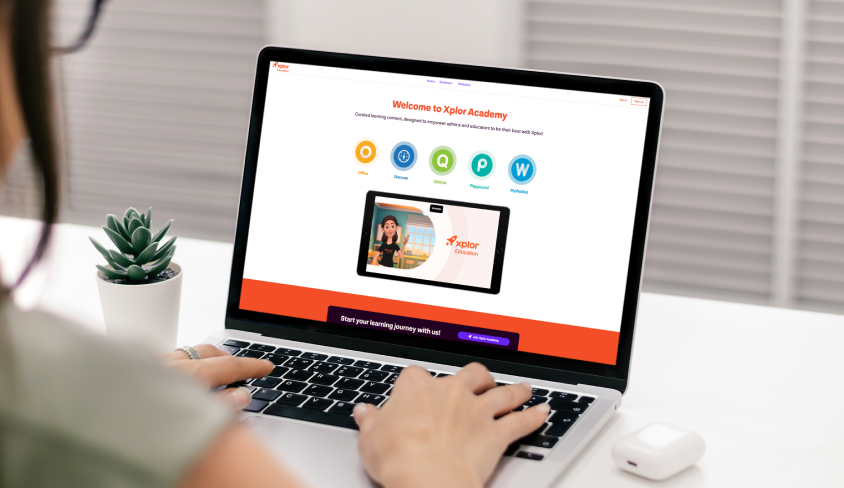
Launched in January 2026, Xplor Academy expands training beyond onboarding. Built as a central hub for webinars, product learning, certifications and training, Xplor Education’s comprehensive learning management system helps services maintain knowledge long after their initial switch. Its flexibility is particularly valuable for teams juggling competing priorities. Te Waipounamu Education’s Managing Director Managing Director Juanita Cootes has encouraged all her centre managers and admins to create a login because “training is fantastic,” but in busy periods, educators “only retain what [they] need to know for right then.” Having a place where team members can revisit training later — at their own pace — has proven “fantastic,” especially for mixed experience teams.
Xplor Academy already offers 60+ courses designed to help administrators and educators get the most out of their software, with more great content on the horizon. Leaders can access progress reporting for their teams, along with certificates supporting compliance and professional development.
These tools provide services with a stronger, more consistent learning foundation — helping them reduce onboarding time, improve long term confidence, and empower staff.
A More Confident Path Forward
Switching software will always involve effort, but it doesn’t have to be overwhelming. The combination of highly rated onboarding, personalised support, and accessible ongoing learning has helped many services feel more confident, prepared, and supported during transitions.
Whether services need a rapid changeover or a gradual, rollout, the right structure — and the right support — can minimise disruption and keep teams focused on what matters most: delivering high quality early learning experiences.
To learn more about Xplor Education’s easy onboarding and sector-leading training programme, please get in touch for a free demo.
You might also be interested in…



by Tracy Kilpady
-
First published: 17 March 2026
Written by: artpalijo