
ECEC Conversations | Session 1
Everyday Eco Adventures: Sustainability & Environmental Literacy for Children
Enjoy our next instalment of ECEC Conversations with this engaging conversation between Tracy, Angus and Cate as they delve into everyday eco adventures in early childhood settings. Together they explore why connecting children with nature from the earliest years is essential, share simple ways to embed sustainability into daily routines, and discuss how to nurture a genuine love of nature in the children in your care.
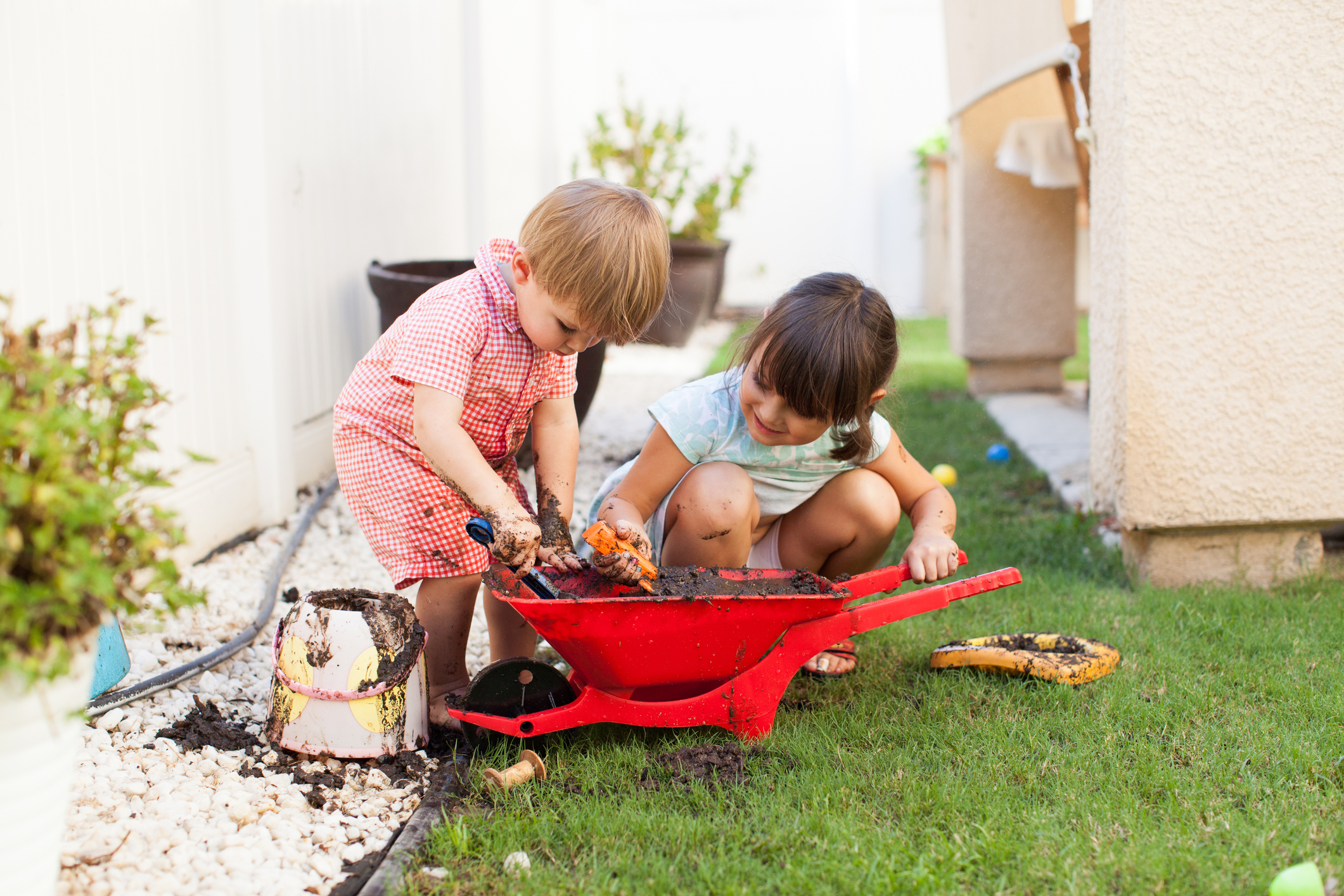
Everyday Eco Adventures: Sustainability & Environmental Literacy for Children
Connecting children with nature is at the heart of quality early childhood education. In an increasingly indoor and screen-focused world, many ECEC services are finding it harder to embed meaningful nature-based experiences into everyday practice. However, educators can draw on simple, low-cost strategies to foster a genuine love of the natural world — building children's identity, wellbeing and sense of belonging every step of the way.
Key topics covered
- We are nature - not just part of it: Explore why shifting children's understanding from being near nature to being of nature changes everything about how they connect and care.
- The nature deficit in our children: What happens when children grow up with an aversion to dirt, bare feet and the outdoors — and what can we do about it?
- Creating outdoor environments children can truly engage with: Why the "no pick" rule and manicured gardens may be doing more harm than good, and what to plant instead.
- Reframing sustainability from chore to joy: From composting to repairing, loose parts to pot plants — small daily habits that build a culture of care without adding to your workload.
- Recording, reflecting and growing together: Why keeping a garden journal and learning alongside your children is one of the most powerful things an educator can do.
- Answering the big questions with hope: When children ask about climate change and the future, here's how to meet them with honesty, reassurance and a focus on what's possible.
Who should watch the Attract, Manage, Retain: Winning Strategies for ECEC Talent webinar?
This webinar is perfect for
- ECEC Administrators Learn how to move sustainability beyond the tick box and into the everyday culture of your service.
- Educators and Coordinators Gain practical strategies to meaningfully embed nature into your curriculum — and the confidence to reconnect with the natural world alongside your children.
- Service Owners Understand why children who feel they belong to the natural world grow into more confident, regulated and caring individuals.
Meet the Speakers
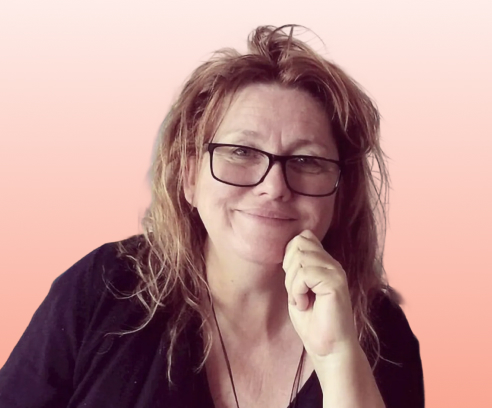
Cate McQuillen
Creative Producer/Director/Writer, mememe productions
Cate McQuillen is an eco-educationalist, Emmy Award winner and founder of dirtgirlworld and Get Grubby TV. A trailblazer in regenerative parenting and sustainability education, she champions 'Courage over Hope' and leads with the #WeAreNature hashtag. Her Get Grubby Program reaches 3,000 schools nationally across 32 LGAs.
In 2024, Cate was named Northern Rivers Business Leader of the Year, with her company mememe productions earning multiple awards, including AAEE Environmental Education Business of the Year (2023). She was also awarded the 2025 AAEE Professional Environmental Educators of the Year. A sought-after speaker and CVC co-designer for Fires To Flourish, she sits on Prosper 2040's advisory board and holds a Bachelor of Education from Deakin University.
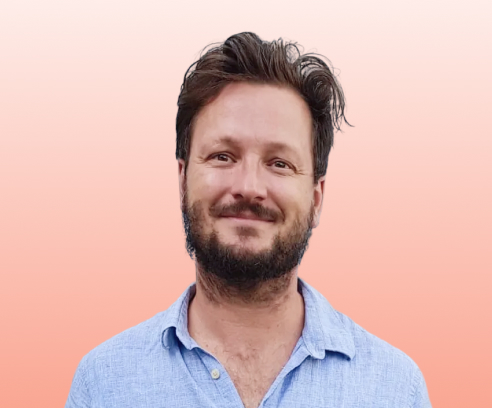
Angus Gorrie
Director/Playworker, Outsiders: Play Advocates
Angus utilises his Bachelor of Behavioural Science and Psychology in combination with a Playwork Certificate, and nearly 2 decades of experience applying both in the field to inform his play pedagogical approaches, ensuring TOPA delivers outstanding playwork-inspired programs that align with the Outside School Hours Care (OSHC) learning framework, My Time, Our Place (MTOP). As an independent researcher and author in the field of Playwork, Angus is at the forefront of exploring the profound connection between play and well-being.
Within TOPA's consultancy branch, Angus has inspired countless educators and teachers, empowering them to embark on their own play journeys within their work environments. His commitment to advancing an understanding of the broad scope of play has left a lasting impact on individuals and educational communities alike.

Tracy Kilpady
Manager of Education,
Xplor Education
Tracy has years of experience and expertise in education. While studying, she completed extensive placements totalling over 120 days across various settings, including daycare centres, kindergartens, primary schools, and out-of-school care (OSHC), catering to children from birth to age 12. She also developed and implemented a program designed to support students in their transition to a new setting called “Transition to Prep.”
Recognising her passion for teaching and fostering engaging learning experiences, she was a dedicated prep teacher until 2020. Tracy now serves as Manager of Education at Xplor Education. Tracy revels in collaborating with a team of inspired and enthusiastic individuals dedicated to leaving a lasting, positive impact on the education sector. Their shared goal is to empower those who utilise the software, engage with families and, most importantly, provide the best possible educational experiences for the children in their care.
Upcoming Sessions
3 June 2026
19 August 2026

TBD
On-demand Sessions
Watch the 2025 Recordings
Attract, Manage, Retain: Winning Strategies for ECEC Talent
Staffing challenges persist across ECEC, but smart strategies can help leaders support educators and families, and improve operational efficiency.
Unlocking Impact: Access and Innovation in Early Learning
This interactive session highlighted how leaders in early childhood education are shaping brighter futures through policy, funding and innovation.
The Superpower of Playful Learning
The discussion explored play-based pedagogy, practical strategies, and operational challenges, highlighting play as the most powerful way children learn with intentional adult support and balanced compliance and excellence.
AI Ready in ECEC—Mindset, Ethics, Access
AI is transforming ECEC, and leaders must rethink training and support to adopt it responsibly and ethically, with practical ways to use AI that benefit educators and children.
[00:00:07] Tracy: I'm glad we are on time for 11. We'll most likely have some people trickling in, but it's a good way to frame our session today. It's called ECEC Conversations. This will be our first for 2026, and we've held four of these across the last year or so.
What it is myself or a member of the team from Xplor, we bring in some people who are tied very closely with our sector in early childhood and care and love what their topic of interest is. So for us today, what we do have is we are this, we've got Angus and Kate with us today. I'm Tracy.
I'm the manager of education here at Xplor and our topic for today is Everyday eco adventures, sustainability and environmental literacy for Children. Angus, I might pass to you if you'd like to introduce yourself first and what you do and why we've chosen you to join us today.
[00:00:56] Angus: Oh I'm not a hundred percent sure of the last part of that.
Tracy. No, I'm, I am joking. But my, yeah. My name is Angus. I'm a play worker, so I work with children across the ages of infancy all the way through to teenage years in playful, innovative environments and practice, generally speaking. Now that's, that's an interesting one for this particular topic because I wanna confess straight off the bat that I, myself personally am a staunch conservationist.
I do a lot of stuff in my local area to restore Morton Bay and so on and so forth. So the environment and the themes of today are very very serious to me. But I will also be approaching how I manage that and work with children in that space from a very play work perspective. And it'll be interesting to see how everybody aligns with that in regards to what we want versus what children do.
And that'll be, yeah I'm really excited to unpack it anyway and have some good critically reflective conversations about that sort of thing.
[00:01:48] Tracy: Perfect. Kate, you'll chance to introduce yourself please.
[00:01:52] Cate: Hi. I guess I'm Kate McQuillan. I'm down here on RI country today, which is of course down in Melbourne, in the cool in nature. I'm visiting here and I'm visiting. As part of my work and family life at the moment, I'm based normally on Bunong country up in the Northern New South Wales region.
I live on about 80 acres in a little old church with a permaculture garden. I'm very much a person who also believes deeply in conservation and lives it. We've also had thrown in for good measure a lot of lived experience lately of drought, bushfire and flood having had circled by bushfire and also up to our eyeballs in flood water.
So we have had some lived experience around the changing climate and also have lent heavily since then. Before then, but also since then into. The idea of grit for little kids. Like how do we grow a generation of kids where disruption when it comes to natural events may be well, will be on the increase.
So how do we deal with that in a way that's full of love and care? How do we lean into. Joy rather than chore when it comes to sustainability and connection. How do we lean into not just ticking boxes on the curriculum, but how do we make this a sense of belonging for children, A sense of identity, and I'm really looking forward to talking about all of those things today.
I'm the creator of Di Girl World and get grubby TV on a, b, c Kids. Also, the Get grubby curriculum program that's in about three and half thousand early childhood and primary schools across the nation at the moment. One of the reasons I'm down here in Melbourne is that di girl and her girl band, the Garden party performing at Mumba here.
Saturdays. So not only do we have the, the content that happens online and on tele, but we've got this beautiful live world where we get to intersect in real life with kids and families and educators all over the place. So I am the happiest girl in the world because I get to do what I love every single day.
[00:03:59] Tracy: Oh, I'm glad that you get to do that, Kate, and I'm glad that we are here to talk about it. We did discuss a little bit earlier when we met it. It is a 50 minute session. I have no doubt that this group here can talk for a lot longer than that. But we'll start off today with why is it so important to us, VR that children connect with and care for the natural world from the earliest years?
[00:04:18] Angus: If I could start, for me, go for it. The na the natural world is something we've always been connected to, whether we liked it or not. And a lot of my, the play work theory is based in evolutionary practice. And I struggle to think that we can really raise and nurture children that have evolved in nature for tens of thousands of years by removing them from it.
And when I say removing them from it, removing them from its most authentic. And Kate, I was really loving your introduction because for me, being part of nature isn't having beautifully landscaped, manicured gardens that children can't engage with because they're too pretty to do that. But actually getting hands on and the hands in the dirt and picking leaves, picking flowers, which can be a huge no-no.
In some settings. But then for me as a play worker I look at how we can create environments that can allow for that as opposed to being, hemmed in on all sides by those sort of issues. So for me, I don't think we it's important that we do this for children because we must, it's always been there and it's a huge deficit in their developmental journey to not have this exposure.
[00:05:25] Cate: Yeah, I couldn't agree more. This is the place where early childhood is where identity happens, and if kids grow up feeling very separate from nature, caring for the environment now and later just becomes some sort of abstract sort of responsibility. But if they grow up feeling that they belong to the natural world, then care becomes instinctive.
I really love how you put it that, evolution is that we have grown up inside nature. We take it to that next level too and work with kids to understand that we are nature. This is it. We are it. This is our ecosystem. We're part of this web. We are not in charge of it. We're not the boss of it.
It's not here for us just to be extractive of all the time. And when we drop into that notion that we are nature and having this deep connection, then that connection proceeds responsibility. If you don't love it, you won't protect it. If you don't get outside in it and be amongst it, you don't fall in love.
And I think that it also has this little wellbeing dimension as well, because time in nature really helps with regulation and creativity and grit, growing and joy. And kids who are out regularly who have got experiences of mud and weather and insects and plants and open-ended play, they develop confidence in their bodies.
Their decision making as well. So it's just all rounds. If you ask me, it is education, right? Being it's everything we want. Our young people, our kids our tiny kids to be to be learning and experiencing and connecting with that, that it's all there in nature. So it's actually a fast track to a lot of things for kids.
[00:07:02] Angus: Kate, I really love that. I've just written that down by the way. We are nature. I, it's, when things are just beautifully simple. Yes. But once again, for and that ties in so nicely for me with that evolutionary trajectory because for let's, just for argument's sake, I'm making up percentages here, but 99% of our entire evolutionary history has been completely immersed in, in what is nature as part of it.
And I guess once again from that, that theoretical position, how could we not expect there to be. Psychological ramifications if we all of a sudden decide that's not going to be the case and put up those walls and those barriers. This applies to a lot of play work theory, but this, particularly in this thread of nature that we're talking about today, I think that's fundamental.
Play work, principle number four talks about, advocating for children over adult agendas. And I think the things that keep children out of nature most of the time find some formula that are not at some point can be distilled down to some form of adult agenda, whatever that may be. Risk, safety, educational frameworks the world we live in, busyness and everything like that.
That's some plan. So yeah, that's a big barrier to pull down.
[00:08:11] Cate: I think sometimes too, and speaking to the heart of all the educators here today is that sometimes there, our lack of capacity to spend time doing this in our places, learning, learning and play places, is that our own confidence.
Our own confidence with this and because it's not this disconnection hasn't happened overnight. This has been happening for a little while. And so it may have been something that has been part of that disconnect, may have been part of how you have been living. And so I always encourage this is a great opportunity to, at the same time as the kids are connecting, to reconnect your own spirit at the same time to be together.
This is one of the places where you don't have to be an expert because we are nature and so just. Being together and learning together and going on this journey with the kids for your own wellbeing and your own sense of compassion as well. I think that there's a great opportunity, and I understand lack of confidence and a little bit of fear.
I understand the aversion to risky, but I think that it's 2026 and I think it's a great year to have a new way of doing things and to find this confidence with being outside.
[00:09:25] Angus: In the Chinese l Luna New Year, it is the year of the horse, which apparently is all about shedding the old and embracing the new.
So there you go.
[00:09:32] Cate: Yeah. Galloping ahead into nature.
[00:09:33] Angus: I'm off it. Yeah.
[00:09:35] Tracy: I
[00:09:36] Cate: So you can tell, we'll talk forever. You're better.
[00:09:37] Tracy: I, this is exactly what we're here for. I it makes me reflect on my most recent experience within the sector was in a formal teaching position. I used to teach preps or foundation age children, and it's so different from early childhood settings where they're in a classroom from nine till three.
You tell them that we are doing handwriting outside or we're just gonna sit and do our reading outside and you can see the joy and the light in these children's faces to go and touch grass or take their shoes off and. It's a wet weather day program. They don't get to go outside. And to a lot of them at the time, it felt be themselves, who they were in that classroom at that chair and table felt very restrictive to them.
So giving our children, no matter what form we're seeing them in that opportunity to go outside and be the nature is so important for them. Yeah. So see
[00:10:25] Angus: I'll share something there because I a hundred percent agree with you, but I, and it's not super common, but it's also not unheard of now when I'm working in the inner city of Brisbane where I will actually see children that have learnt an aversion to.
Taking their shoes off and getting them dirty or being willing to touch dirt. And it almost visually manifests that it looks unnatural, that they have that feeling like they don't know why, but it's actually being taught potentially to them by, I'm gonna put my hand on my chest here and say, intentioned adults.
'cause no one would do that to their children without thinking that, there was a risk that they're avoiding. But I see that as either, sensory Deficit Disorder or Nature Deficit Disorder, whichever school of thought you lead into there. But that sort of terrifies me because that's like the next level up on what Kate was talking about with staff who are not feeling particularly confident, but they're probably not also terrified of it.
They just don't know. Whereas I, I worry about a generation coming through that actually have been taught that nature is not something to engage with to be a part of, to be in. I find that quite terrifying. 'cause where does, how could conservation or care for nature come out of that if it's to be so avoided?
[00:11:34] Tracy: It's also like that's, we talked about evolution. That's what we started with. No shoes. We talk about grounding being a holistic and wellbeing approach. As adults, how do we bring that down to our children? How do we get them to not get their feet wet, get it dirty, get their hands and things that tactile nature and really feel and be a part of what they're around.
And
[00:11:56] Cate: part of that's just having a few systems in place, isn't it? I think the first thing I wanted to say with that is I have this lovely thought about our very first breath. That when we take our very first inhale in life, that we've created a covenant with nature straight off because we're breathing in what trees make right?
And then our last breath, we give it back, and and the dearly sealed and I feel like the, it's just thinking like that, it's thinking about what life supporting systems does nature provide. 'Cause I get this thing about the avoidance and the fear and sometimes abate of that.
I do think it's the smaller percentage in, in our groups, and and I think that there's a shift occurring. 'cause I think that people are starting to really see that that deep connection, that nature is it is us. I think it's been really good. This whole running fitness kind of fanaticism that happens.
I'm not anti fitness by the way, but the running groups and the bike groups, because then all of a sudden we can talk to them about gut health. Is your mic, your microbiome? What's in the soil is in our guts. We have a deep relationship with food. That what is the nutrients that we send back during composting?
This whole story is we're getting more understood. It's not so abstract, if because because people are valuing it. And so I think that's, I think that's really cool for us to remember that. But I think the systems thing is for those people who are, we have got systems, there's.
It's about having grubby clothes and somebody taking home the grubby clothes and washing them. It's about having ways to to dry off to, so that you can get wet, you can get muddy, you can get all of those things, and it can be all part of it, but it doesn't need to cause discomfort. And when, which especially, I think we have to be conscious too, about neurodiversity and people's sensitivities and their capacity to touch and feel certain things.
But I feel like, I don't think I've met very many, even kids that with love and support, with care and with understanding and with nurture, with giving them some systems, asking them what would help them feel comfortable doing this. Besides the answer being, not doing this I think is it's, I think that's where we're at.
And also there's so many helpful suggestions. I'm sure every person who's on this call have got great systems happening in their centers for them to be able to participate in the grubbies of days and still, and everyone survives them.
[00:14:16] Tracy: I like the rebrand of like dirty or unclean to grubby. 'cause that is the difference here.
And I think even that change of language in how we approach this with children is it's okay to get grubby. We might be saying dirty dusty, those sort of words. And that has these negative connotations with children, which as adults we put our own weighting and perception on that and they just take what they're given as well.
[00:14:37] Cate: Yeah. We've even we brand them sters in our world too. We say, come on grubs, we're heading outside to get grubby. We say grubs sticks in the air when we are walking with sticks so they don't poke some kid in the eye next to them. There's, I think it is this being of having language fun.
Like seriously, this is the world of joy. And then, and that world of noticing as well, like it's that the thing the joy of standing and being able to look at little things, doing their thing, to understand. That all of this is connected. Words want this. They're storytellers, right?
They're great storytellers.
[00:15:11] Angus: Yeah. And words matter. And you've dangerously close to opening up a tangent here, so I'll try to keep it really tight, but this is the world I work in of play, and I work with a lot of schools and you can imagine how long playground duty has been called playground duty.
That doesn't feel like a valuable thing to me. That sounds like something you're doing instead of having your lunch. Whereas play, provisional play working, it's subtle, and I know it sounds very fluffy, but when the brain is trained to see something through a word it does change the way that we perceive that thing.
So grubs are over there dirty massive in inclinations. I work in loose parts playgrounds. So we have to regularly reframe the difference between what is rubbish and what is junk. Which sounds
[00:15:54] Tracy: like the same thing. I thing say small slides, but rubbish is something that. As you would know, Angus, we, we throw that away.
There's no use for it. That's the end of that lifecycle. And
[00:16:05] Angus: yeah.
[00:16:05] Tracy: Junk, different connotation.
[00:16:07] Angus: Oh, what can it be next?
[00:16:10] Tracy: We call, I was gonna say, we call it junk journaling. We call a junk draw. We have the difference that one word can make with us as adults. Imagine if we passing that on to,
[00:16:18] Angus: to avoid a tangent.
We can't come back from, for anyone listening today I encourage you to look up the war in theory of language. 'cause it unpacks this very nicely and how the brain actually takes on words and turns 'em into meaning, depending on how we use that word.
[00:16:35] Cate: Yeah. And I think the other thing, don't be scared of creating your own lexicons around those things.
Like having your own group language, especially when we're developing language, it's so wonderful. It's just, it's that playfulness. It's seriously good fun. It's, that's, I love thinking about it as being seriously good fun. 'cause it's it is serious. This is real life stuff.
This is foundational. This will shape, the destination of a generation is shaped by its childhood. We're doing the future work today.
[00:17:04] Tracy: Oh it's a very empowering thought. I don't wanna say heavy, but it, I really hope that sort of perception of what we do sticks with everyone today because it is seriously good, fun and deeply important work.
It's
[00:17:17] Cate: profound and profound isn't heavy or a burden. Profound is just a beautiful word that means that, it's got deep meaning. It's this deep meaning, and it sets kids up. It sets us up as well.
[00:17:31] Speaker: Yeah. Hundred percent.
[00:17:32] Tracy: Hundred percent. I know we've talked a lot about the big ideas and these big profound understandings that we have about sustainability and our earth, but if we take a shift back to everyday practice, and I don't wanna say quick wins, but ways that we can look at a really embedding this, what are some simple low cost ways that services can start embedding sustainability in their routines, their practices, rather than treating it like a special project?
And I'm gonna go out on a limb and say, outside of starting up a veggie patch as well.
[00:18:00] Angus: Look for me look I believe in outdoor environments that can be engaged with this is taboo and I'm really interested to see where people land with this. But so many settings that I work in now have rules like no pick.
And that is tied to a sustainability agenda because picking plants hurts plants. But what I do find is that often also teaches children that they're not a part of that and they cannot connect with it. Also the intent of a child, like unpacking their psychology sometimes the no pick rule exists despite the meaning or the intent the child's trying to put onto that.
What does this feel like? What, what is the sensory element? What does it smell like? Maybe I'm picking this because I want to gift it to someone. Beautiful intent behind something that we've otherwise outlawed. So in a lot of our spaces, we, I aim to create. Rambling garden beds that can be engaged with.
And ironically, these are really expensive because we are talking about things like chamomile and oregano and other things that go quite wild and plentiful as opposed to having the beautiful flower. 'cause I appreciate the disjunction between why we have these rules when we work in these manicured gardens that are very pretty inexpensive to maintain and that creates a friction that this allows the actual purpose of the garden.
So I look for. Cheap land covers cheap herbs, things that will spread, things that can be used, things that can be smelled, that meets a lot of other sensory needs. If we do want to go down the neuro neurodivergent, and to be honest with you, neurotypical road as well, 'cause who doesn't love good smells and good feelings and good sensations.
Yeah. So I know Tracy, you said, besides the, besides a veggie patch, and I know this sounds very similar to me. But, one, one center I was working in, we had Chamomile lawn. So as opposed to grass between all the stepping stones was Chamomile which meant every day there was new flowers. These flowers could be smelled, these flowers could be turned into tea and they were always there.
Again, I know that it can rub people up the wrong way because picking sounds like the opposite of sustainability, but it's hard to teach sustainability until you love nature first. I think you learn to love nature by being hands on with it, by being in it, by having experiences with it. I once heard a great quote about if we teach five year olds about the Amazon rainforest, we'll create a picture that is far too big and that is unsolvable, and they can disconnect from ever wanting to be a part of that quest. Whereas we can pick a flower one day and realise that there's not a flower the next day and learn a little tiny lesson that can actually scaffold that for the future adults to be more conscious of and have, have lived experience in solving versus these huge concepts. Sorry, I went a little bit off the no.
This is,
[00:20:38] Cate: no, it's
[00:20:38] Angus: good.
[00:20:38] Cate: It's really good. That's really good. We talk about it. That is too big an ask to ask little kids to save the world. It's just too big. That word is impossible, but to care for your naturehood And yes, that is a main word that if you look it up in the dictionary now, it says an Australian word.
I claim that word completely as my imagination. The naturehood is all the things, living things around you. Like neighborhoods are just can about people, right? But in naturehood's about all the nature that's around us. If we're, if we are nature, we live in a nature. And I think what AGAs is saying is really interesting.
And I think it's also nuanced because I think even little kids, we can have, we always have conversations about, let's look, let's notice, let's see, and then we go, so what around here is right for the picking. What needs to stay because it's not ripe for the picking or see those and what's happening over here.
We are letting this go to seed. Why are we letting that happen? We can still scrunch things with our fingers and smell them. We can still do. And so I agree with you. I think having, growing things to pick is really important, right? Growing things to eat is really important, but actually having conversations to say what's right for the picking and understanding that we can't, if we pick a green tomato, we don't get a red tomato.
That's that sort of thing too. But I agree. I think having purposeful places that you can lie in and read in and smell and be with and lick and do all the things that you wanna do without with all of the knowledge of. Which I'm growing botanists as well as environmentalists. I'm growing physicists as well as I'm growing.
We're growing engineers. We're growing all of these skillset. And I don't underestimate kids. These are the kids who could name every Pokemon, right? You need to, we need to stop thinking that they, that the language of nature is so glorious, right? And they love it. So I think that's really important.
That, and that we provide those opportunities. What, besides a garden, I was at a school the other day. A pot. They don't have a school garden. 'cause they're in the city. They don't even have a, they don't have any garden. But the teacher was like, what are we gonna do? So they have a class pot plant and each class has a pot plant that they all love and they take to school assembly with them.
They do all kinds of funny things with this pot plant. And then the pot plant goes home on the weekend to kids' houses and they have to care for it and look after it at home. And then they bring it back like it used to do with the axle mottle. They do it with the, they do it with the pot plant.
That's really simple. It's also very achievable if a garden feels like bizarrely huge, but a pot plant that has some herbs growing in it and some beautiful things that they can care for and look after in the classroom. And they work out that if it's in the shady bit, it doesn't work in it.
Like they're learning about growing. It's just. It's just not, oops, I froze. Hang on.
[00:23:26] Angus: I love that, Kate. I love that because I do remember taking the classroom pet home and you were highly incentivized not to kill it. So I tease, but obviously there was a real there. There's a real lesson there is what I'm saying.
You are very motivated to apply that care and bring back this beautiful pot plant.
[00:23:44] Cate: Because I think one of the things too is when we're talking about beyond the garden though, growing soil, building soil, making compost, understanding that story of decay and death that the things that food nutrients get recycled.
Understanding that, deeply understanding what should go in there and what shouldn't go in there. They're all great things for tiny kids to, to be doing. Of course, scraping their plates reusing paper for drawing, keeping the basket of loose parts instead of buying new craft supplies, repairing stuff.
Actually the class repairing stuff. That's a fantastic thing around sustainability. Patching, instead of going, oh, that's gonna go to the op shop in first place, or that needs to go to landfill, having a good look at it, being detectives and saying, hang on a minute. Can we actually repair that? And so I think there's some great stuff and the language thing of never saying throw this away, but asking the question, where does this belong?
And I think that's a beauty because we get away from this kind of disposable thing. We get into the, everything has a place, even if it's place is landfill, right? It's still, that's the last, and that we call that the bin of last resort. So we try and find a different place no matter what.
If it needs to go there, that's where it goes. But we try really hard not to put it in there. And I think the other, I think we'll get to it in a minute and I might be preempting this, but this what if thing, I love it. Changing our questions to you should or we should to what if we decided to do something awesome with our food scraps?
And then having a discussion about why that would be possible. Then well, what if, what could we do? What could we do? I feel like the inquiring mind, the curiosity, oh, we could put them, we could put them in a jar. Okay, what if we did put them in a jar? What happens? It's like where is the best place?
And just talking, dreaming, making up processes together of understanding what sustainability is, being grateful and being and having a reciprocity with nature. That's sustainability. That love, that. Deep love comes from being grateful for nature and and understanding what it brings to their day is that's also sustainability as well as all those kind of normal everyday things.
But I wanted to say that it's not about new programs, it's about new habits in your daily stuff that you are already doing.
[00:26:03] Angus: Kate, I like that a lot because I think what you've landed on there for me as well is something that can be. Hard sometimes to come up against, but sustainability, being in our educational frameworks is obviously a good thing.
However, it can lead it to be done fairly tokenistic, like it's in the framework, so we should or do this. Whereas I think you've broken down a really simple way for staff to reflect with each other around better language. So it becomes an embedded practice that everyone's involved in versus a tick box, which I'm sorry, but we see this regularly because it's in the meet this agenda where I think if we don't engage with this authentically and holistically, it will always just be a tick box.
Yeah. And I think children aren't they're neither silly. Nor are they unreceptive. And I think it will rub off after a long enough time when they're in an environment where it's obvious to them that these things are being done in a tick box fashion, if that makes sense.
[00:27:01] Cate: Yeah. But I think too, I love that sustainability is a core curriculum need.
I do love it. But sustainability is about balance. And the planet needs more than balance. It needs restoration. Yeah. And so regenerative practices that go alongside the sustainable practices, I reckon that's where, if we're gonna be leaders in this, if all the people in this chat wanna be leaders, it's thinking like that.
It's what's restorative, what's regenerating, what are we doing that we are giving back more than we're taking? Because that's the only way we're gonna get some sustainability back in things. Kids wanna have capacity, they wanna be capable, they love being contributors, and they love participating.
And this is a beautiful world where all of those things are desired. We need their hearts, their heads, and their hands in the game.
[00:27:50] Angus: Yeah, I do love that concept. And I should have said before that I love restoration, not conservation, because the oyster reef project happening in Morton Bay is actually about taking the 2% of the oyster reefs left and bringing them back as opposed to conserving what's there.
So sorry, tangent, but very interesting stuff worth looking at.
[00:28:07] Cate: Yeah. And that other day to day thing too is the talking thing, like talking when we're in it, like talking about our food, when we're eating and talking about composting when we're actually doing it. Talking about the words, using the words during tidy up, really when we're sorting, when we're reducing and reusing.
And then of course outdoor playlets us talk about weather and habits and seasonal change and always noticing there's so many other creatures, plants. Beings living with us that you know once and they've got an advantage over all of us. They're closer to the ground. They get to see kids get to see things quicker than we do because they're like in it.
And it's I had one parent write to me and say What I'm doing wrong, go for a walk with my nature, walk with my kids. And we only get like a hundred meters from the house in 20 minutes. 'cause they keep stopping and looking at stuff. And I'm just like, success. You're doing it. It's not about how far or how long, it's about how we notice and the webs and links we make back to the ecosystem and to caring and to create, create these caring hearts on legs that come to your space all the time.
And you are there with your caring heart on legs to make this a very real experience.
[00:29:25] Tracy: I think there's really beautiful things that we can be doing with children if we put some time, effort, and focus into it. And it shouldn't feel like that tick box. It shouldn't feel incredibly difficult or hard. It should feel like what we were made to do with them.
[00:29:39] Angus: And can I be really deliberate there? That sounds very critical of me, but I'm trying to be very, and our framework's cool on us to do this too, but constructively critical and reflective because we don't all know. So the incentive is there is, as the adults, and I think Kate said something very similar to this earlier, we also need to learn alongside the children sometimes if we have had a generational disconnect what and what a beautiful thing to be able to do as opposed to try to be the master, let's all start together and just try things.
It's a lot better than doing nothing. And it will be a lot more authentic and holistic in the long run as well.
[00:30:12] Cate: I think it's that shared mastery, right? And there's something lovely for the kids to see that we're learning together too, that there's no know-it-all in the room. That
needs to be know-it-alls in the room sometimes, especially when it comes to first aid. But but really it's that thing. When we created Dirtgirl World, we didn't want anyone to be the smarty pants in the room in that show we wanted. Parents and kids to learn together. We didn't want it to be condescending, we didn't wanna have baddies.
We wanted to show that everyone has some kind of pretty lame moments and how they sort them out for themselves is much more interesting to me than having a badie in a story that always is bad. 'Cause that's not how it works in real life. And so I, I feel like that thing of, that shared learning, if you don't know plant names, it's okay.
If you don't dunno where to plant something, it's cool because guess what? There are so many resources that tell you that stuff, but there's no resource that says that is there to just say, do it. Just be there, be together. Everything is around you. There are so many great things to support you.
What you need to bring is the willingness and the curiosity as well. And to go, I'm okay to learn with the kids. It's all good. And
[00:31:27] Tracy: how wonderful for these children to know that learning doesn't stop. Like it's not when they finish kindergarten, when they finish that year of school, it's when I'm an adult, I'll have these moments of curiosity and learning as well.
[00:31:39] Cate: Yeah. And also because you have, when you learn together, the kids go home and they'll share it with their parents because they don't think it's the teacher's only knowledge, they, when it's their learning, they'll go home and go, Hey, what if we did this? If they bring, what if language home?
It's better than the know-it-all kid that says at school, our teacher says we should, I feel like it's like giving them some skills at home to create change. How do, how these are our change makers. How do we support them in talking to their moms, their dads, their carers, their parents, their grandparents, their friends.
How do we give them the independence to take it into their own backyards, parks, or community gardens where they just know what to do and are happy to do it.
[00:32:20] Angus: Yep. And on that too, I think if we are co-learning with children, then this is advice that I would definitely give, having mentored a few services through this myself.
But I think educators can get quite despondent when, let's face it, not every garden project works out. Yeah. And unfortunately as a result of that, we can often find quite empty, barren garden beds in kindergartens and LCs because they feel a bit defeated. But I look my backyard is a rambling mini farm, but I don't always get it right.
But when I don't get it right, I record that. So I've got a lot of services now keeping a running journal of when things are working, when things are not, what was the weather like that season? Just because it worked last spring doesn't mean it will work this spring depending on these variables.
And that becomes quite infectious because failures. Can be reframed as something new, which is a learning experience, which is, I think nature gives us a lot of that, frankly when something doesn't quite go well. Why and I think I was just leading on from what you were saying there, Kate, with the, the, those why questions can totally turn it.
There's never a negative outcome depending on how a garden goes, if we learn something from it. And I have to say
[00:33:27] Cate: yeah. Sorry. Keep going. A
[00:33:28] Angus: I was just gonna say with the failures comes a lot of resilience and acceptance of that too. And a willingness to have another go as opposed to I can't garden.
Which is a terrible lesson to learn early too.
[00:33:40] Cate: Absolutely. I think it it's okay for the garden not to work. What it's not okay is to walk away from it and let it die completely. Dig it in. If it doesn't work, dig it in and it becomes the soil for the next garden. Yeah. And so it, it is the thing of going, I can guarantee you that you will have seasons where it all goes awry.
That's okay. And there's something interesting about that as well. Definitely about that, that lifecycle thing. That the, that conditions, the climate is changing. Things aren't what they used to be. So keeping records is really good because I was up in Saibai, which is the most northerly of the Torres Strait Islands.
It's three kilometers from Papua New Guinea. And you can see Papua New Guinea from the village of Saibai. I was standing there with some elders and they used the stars as their plant guides. They've got a warrior who has a spear of stars. And when the spear is pointing upwards, they would plant leafy vegetables.
And when the spear is pointing downwards, they plant ground root vegetables. But due to climate change, it's all changed. And so the stars aren't telling them the story that has been told to them for tens of thousands of years. And so they weren't despairing. They were, but they were saying, okay, so now we have to shift our story.
And so they were starting, we had this story about, okay, so where, about over the next few seasons, we write it down and draw the pattern of the stars now. 'cause it may be that the star, the spear isn't at 90 degrees, it's at 87 degrees, right? And and you only find out this observational stuff by reports.
Lovely. They're beautiful data, real life data. Rather than, data on nothing. The kids from this year can share the stories. They can read the stories of last year. They're sending the stories into the future for the kids of the year after and the year after. It's a connection and a bond between the kids at your place.
[00:35:34] Angus: Yep. Okay. That's really beautiful. One of those services I was talking about actually have created a wall chart, and it only goes back five years now 'cause that's as long as they've been doing it. But it shows chronologically what they grew and what worked on various months. And as the years have gone through, there's small variances, but there is some consistencies as well.
But a time is a time long periods of time can be very abstract for a five-year-old. So imagine having a conversation about when you were one. Yes. The corn grew really well in April, but it's visual as well, so it's on the wall. Yeah. Very easy to see. And that creates some amazing conversations around those successes, those failures, what we can do to, modify or improve that.
All just from one visual resource, which not gonna lie, is quite aesthetic and appealing to look at as well from that point of view. Yeah.
[00:36:21] Cate: And photos of the kids who grew that and then having the balls to ask the kids to who are in primary school to come back. Talk to the little kids and say, oh wow, oh my goodness, you've got, you've had much more luck with the corn than we did.
What did you guys do? Like I feel like we leave kids, leave early learning centers and go to primary schools and don't come back. And I think that they've, 'cause they're normally just around the corner somewhere, right? Yeah. I think it's an interesting concept. Even if they recorded a video and sent it back to the kids and said, this is what we did.
It's a relationship. Nature has long term relationships with the, and I bet you the kids who've left would love to see what happened from when they were little.
[00:37:05] Angus: I couldn't agree more. Caden, to stem back to that play work idea of evolutionary PLA practice, for how many years do you think in the evolutionary of homo sapiens, have the four year olds been isolated over here and the seven year olds isolated over here?
Yeah. This is not how we've developed as a species. And in the last couple of hundred years, we've decided that's the case. So much learning would've happened in the villages and the nomadic communities and the hunter gatherers between seven year olds and four year olds, between six year olds and eight year olds, or whatever that looked like.
And a lot of that communication, unless you've got great streets, which some of us do, but not everybody, a lot of that communication has been lost due to circumstance and the way that we do this now. So any way we can bring that back? I agree. And not and beyond this topic. Beyond this topic, absolutely.
For child, for childhood, I think that's just invaluable.
[00:37:55] Cate: Yeah. Because this is when we boil down to it all, we're really talking about childhood culture. Rather than individual age groups and childhood culture is so important. I was just thinking how sweet it would be to have a letterbox out the front where the kids who used to go could drop letters to the kids who are there still, and they, it'd be lovely, to, to think that there was some inter nature mail going on rather than the postal service.
[00:38:18] Tracy: It's that childhood culture comment is just, it's very touching. This, we do such a wonderful job in formalized early childhood settings and I think about how we transition our children to primary school. And you talk to adults, you talk to older children, primary school aged children, most, if not all, will tell you with joy in their eyes about their time in kinders and long daycares and family daycares and with children their age.
And to be able to give them that connection back it's a red box. If it's them coming and looking, from year one of the corn to year five, how things have grown and changed it, it really feels that nature is community. That's what I'm getting from this conversation.
[00:38:58] Cate: Yeah. I'm in me 'cause I'm in Melbourne, but I live in Northern New South Wales.
I grew up in Melbourne and when I was in year six Mary Jane Belgian and I put a little report into the school that we wanted more shade trees. So we got it through the school council and we did a tree planting. And the, I visit those trees every time I come back to Melbourne, and they're huge.
They're monstrous trees with their shade. All the kids are there playing underneath them. And I just, I'm so proud that there's my agency. That's, that was an, it's just such an incredible thing to have a relationship with a tree that you planted. And we'll, I'm lucky enough to have grown to an age where that is the truth for me.
But it's these trees that we are planting with these kids. They're our, they're, we can visit them. They can visit them, and that's I always just feel so happy to see those trees. And the schools had all kinds of buildings go around and they've never chopped those trees down because the kids planted them.
[00:39:59] Angus: How does the old quote go? Enlightenment is planting a tree that you'll never see the shade off.
[00:40:04] Cate: Yeah, that's
[00:40:04] Angus: right. Having that foresight, although you were lucky, you did get to see the shade, so
[00:40:08] Cate: I know that's right. And so there is that. And the other thing of course is, there's a Papua New Guinea tribe who, when someone passes away the grandchild plants the tree for the grandfather and they are the grandfather tree, and they go and speak to the tree and they ask for advice and they sit underneath it and have conversations because it has an ongoing ancestral presence.
And and I'm pretty sure they would have a very deep spiritual relationship. But even on the lightest level, that notion that you have somewhere to go to think about the people that you love. Especially grandparents. Imagine in an early childhood center, if we had ancestor forests. So that when something sad did happen during the year, we planted a tree together and that tree was named after that person, and there was a spot to go.
I just think we're it's, there's huge beauty and compassion and empathy in this work as well as science and mathematics and language and storytelling and all those playful learning things that we're doing.
[00:41:12] Tracy: I do have a question that does touch on we've spent a long time talking about what is wonderful about nature, but given the world that we do live in and it is 2026, how do we how do we best feel that we can guide and respond to children when they do ask tricky or difficult questions? So thinking, climate change, pollution the future and what it'll look like for them.
Any advice for our audience here today?
[00:41:36] Cate: Yeah, absolutely. Children need honesty. That's paired with reassurance and agency. And so we look at deliberate optimism and we say we need to see what's happening, but we need to look straight away for the solutions. And 'cause there's no point.
But you are also not saying because it's not true. First of all, I need to say a couple of things to you as educators. The first one is, what if everything is gonna be okay?
Alright? Because all of the work that we are doing is working to that, right? So if in our hearts we can actually say it's not about being naive, it's also not about being a Pollyanna. I'm not betraying science when I have that thought. But for my own wellbeing and for the children's wellbeing, I don't stop working.
But I need to say, what if everything's gonna be okay? The future isn't written. It's where it's not for sure what's happening, but what you can say to kids is, in parts of the earth, it's getting warmer and people around the world are working to help, right? What can we do to help as well? Because these are little hearts and little children and they're feeling the anxiety little kids are feeling.
So we don't have to use a catastrophic language. They don't need to know the full scale of the problem. And they need a sense that adults are working to find the solutions in meaningful ways and that they can help. And so positivity isn't about pretending everything's fine. It's about showing that action exists.
And so when they say, Hey, I think. Then there's a conversation around, so what's what is it about that, 'cause it's usually, it's a nebulous thing that they've heard. I think the world's gonna end, you could say in 70 billion years when the sun falls into the earth, if you wanted to have a scientific thing, but that's still pretty catastrophic.
I just think it's about understanding that if we bring it back to what can we do in our own nature, how can we care? What acts of care can we do? How can we enjoy everything that we've got around us? And so honest but simple reassurance and agency focus on the helpers and the solutions when there's a big catastrophe.
I loved that American educator who said, I'm sure just try to, I know his name as well as anything, but it's just gone from my head at the moment who says, look for the helpers and every disastrous situation, look for the helpers. There are more helpers and there are, we could ever believe.
Avoid catastrophic detail and action reduces anxiety. I think those things are, they're all really, they're all really weird, real for kids. And I think when you can even just say, yeah, I know that's right, I hear you, but look what we are doing here. These are the things we are doing here to help, these are the things that we are doing to care.
And they don't really want a full essay. They don't really want a big talk about it. They just want some general reassurance. But I think working on our own hearts to understand that we really don't know the future and history shows us that the most preposterous future will win. And if the most preposterous future is that we are all living in a very different world from this that is connected, regenerative, and caring, I'm up for that.
And that's what, that's my preposterous future, and that's what I'm working for.
[00:45:00] Angus: Yeah, I love all those sentiments, Kate. I think for me, you've hit the nail on the head, and I don't have a whole lot to add to that, Tracy. The honesty for me is a huge one. The nebulous idea, I really like that concept because I agree with you from the point of view that ironically, I, the question I read Tracy, when we were looking at the the session notes, and it was an interesting one because in a lot of play settings when players rich and imaginative and creative I, I actually don't get asked those questions a lot to be honest with you, but I do however, see educators bringing those questions in and going back to that Amazon rainforest example I gave earlier, I personally don't believe that is the way to approach those situations start in our own.
Gardens in our own areas around what that looks like, create the love. And by the time you're an informed young adult really facing these things in a very real way, hopefully you have the empathy and the connection to nature to care enough to do something about it. However, I do concede that because of the nebulous way the world works, these, tv, radio, media, parents talking, it is possible definitely.
The number of questions I got asked about COVID, for example was more of a nebulous effect than it was an explicit teaching of that catastrophe. But yeah the destro de catastrophizing of the language I think is important. Leaving hope. But definitely not taking that on as a thing now to teach.
Only because I think that can create anxieties that don't end up actually helping in the resolution of the problem can be quite ostrich head in the sand approach if we are overwhelmed by these situations.
[00:46:32] Cate: Surrounding your language and your classroom with glimmers instead of triggers. I dunno if you know what glimmers are.
Glimmers are the opposite to a trigger. They're the things that we see and notice that inspire us about care and the future. And talking about that, in Sweden, they bought out a photocopying machine that's printing solar panels. And so that's increased the solar panels, isn't that incredible that someone's thought of that?
Like that notion of sharing pictures that are. Of beauty, of nature, having them around your room. If you can't get out amongst it, making sure that we have a a photo, a digital photo display that is sharing images of beautiful nature, of little creatures of animals that we talk about, the animals that are coming back from extinction, that we share the good news, right?
Because there is so much of it and there are people doing extraordinarily good things and that we don't hear about it. So as a teacher, you need to harvest them. As an educator, you need to be listening all the time for these good stories, and you need to say. Here's something wild, and let the kids know there's something good happening and let the parents know there's something good happening.
Put stuff in your newsletters that talk about the good news, even in your own, as we say in your own nature. 27 cops of con arrived in the classroom this week, yeah. Did blue banded bees turned up on the flowers this week. Here's a photo of them. Check them out.
Yeah. These are our native bees. Just share the stories, and warm. That's what connection is. That's what belonging is. And then focus shifts, and then care comes in. And here's hoping. The future is that one that, my preposterous future, but I'm happy to share with you anytime.
By the way, I can tell you that story
[00:48:20] Angus: At this time of the session. I think that's a really beautiful sentiment to lead into questions with Kate. I think sustainability is often perceived as, let's take all the problems and talk about them a lot and look how we can solve them. But for the age groups we're speaking of, I think taking the things that are going well and working is a, is a beautiful place to start if we're going to infuse children with that optimism and that willingness to wanna be part of that as well.
So I, they think that's a really beautiful sentiment because naturally my brain goes to the pessimistic as well as an adult. What's wrong and what needs to be fixed. But the successes are definitely worth bringing out.
[00:48:57] Cate: Hey, Angus, just before we go to questions, I wanted to say the system isn't broken.
It doesn't need fixing. It's actually behaving exactly as it was designed. The design is flawed, and so we need transformation. And that's liberating, right? Because fixing broken stuff is tricky, but when we just go, oh, it's not even broken, we don't have to fix it. We just have to ignore it, transform and move on.
That was so liberating for me. 'cause I just, the fixing things. Hard work.
[00:49:26] Tracy: Okay. You have both been beautiful guests today to have such a rich and profound discussion with. I can't thank you both enough for making the time today and to our audience as well. Please if anyone would like to come off and add any flavour to our conversation today.
Any questions, please? Now is the time. This is the time where we are looking to wrap up towards midday our time, but the floor is open. Please take advantage of it.
[00:49:56] Cate: And even if it's not a question, even if it's a statement about something great that you are doing that you wanna share, because it's like such a top idea and you wanna brag about it. Good on you. Come on. We'd love to hear about it.
[00:50:07] Tracy: We'd love to take notes.
[00:50:15] Angus: Shy, shy people. It is lunchtime. You gotta give it to them.
[00:50:18] Tracy: We're all focused on our microbiomes.
[00:50:22] Angus: Kate been down in Northern New South Wales. You must know my friend Sally Joyce, by chance.
[00:50:26] Cate: Absolutely. Absolutely.
[00:50:27] Angus: Yeah. Fiig figured. You might figured you might.
[00:50:30] Cate: Yeah. Yeah, the, I think that other nice thing is forming those networks with each other as educators.
Yeah. And having groups of people around you that are thinking the same as you. And also just being able to share fabulous ideas, fabulous, simple ideas. I think, the big levers aren't, they're not for us to pull the, that's for other people to do to, but for us to be able to have those small things that make big differences and I think with both Angus and I have said it, that whether it's regenerative sustainability or play or, and how every, whatever way you are getting to that sense of connection, identity, belonging, care, and love, that's it.
If you can I don't know, up the ante on that, inject a bit more, dose up the kids with some care then I think we're all gonna be doing a really beautiful job.
[00:51:17] Angus: Yeah. Networks are really critical, I think in this I was having a chat with this with my daughter who happened to be watching The Greatest Showman at the time, but she talked about that idea of a million dreams, and if it takes a million dreams to solve these problems, let's get more people dreaming.
Absolutely. Bring more people into the, bring more people into the,
[00:51:36] Cate: that's so beautiful.
[00:51:37] Angus: That's, I would say, it's not up to one person. Not up to one person.
[00:51:40] Cate: And there's to be thousands of us doing this, yeah. And,
And that's why there's no pie. There's no pie. So no one's gonna steal your piece of the pie.
There isn't a pie.
[00:51:48] Speaker: No.
[00:51:48] Cate: And so it's, it is that thing of us, we're all in, we are in this together. Yeah. And even just hanging out today, good on you.
[00:51:56] Tracy: The start of your network. Yeah, thank you both for your time today. It has been wonderful. I will no doubt be asking you to do this again sometime soon because if you can believe it, an hour is not enough.
Please everyone have a beautiful Wednesday. Get out there today, get amongst it, get grubby, and have some time to play as adults as well. Thank you so much guys. We really appreciate you.
[00:52:20] Angus: No worries. Thank you.
Grow together, one conversation at a time
Complete this form to watch Everyday Eco Adventures: Sustainability & Environmental Literacy for Children