Parents place enormous trust in early childhood education and care (ECEC) services every day. They trust educators with their children’s wellbeing, learning, personal information, and increasingly, the digital records that document their early years.
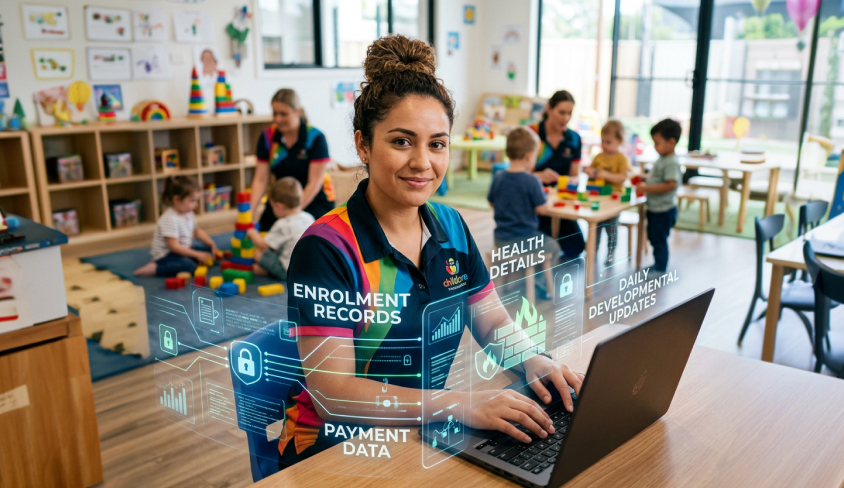
From enrolment details and health information to photos, videos and daily observations, services manage some of the most sensitive information families can share. Protecting that information isn’t simply a compliance exercise. It’s a fundamental part of creating a safe environment for children and maintaining trust with families.
Recent incidents across the sector have highlighted the importance of strong child data protection practices and careful management of images and videos captured in educational settings. In response, industry bodies and governments have developed guidance to help services strengthen child-safe practices and better protect children’s information. The National Model Code is one example of this guidance.
But regardless of specific frameworks or recommendations, the goal remains the same: ensuring children’s information is collected, stored, accessed and shared safely.
Why Child Data Protection Matters
Children’s information deserves a higher standard of protection.
ECEC services manage a wide range of sensitive information, including:
- Personal and family details
- Health and medical information
- Attendance records
- Learning documentation
- Photos and videos
- Incident and compliance records
Any unauthorised access, accidental disclosure or misuse of this information can have serious consequences for children, families and services.
That’s why leading services are looking beyond compliance requirements and focusing on creating a culture where child data safety is embedded into everyday operations.

Strong Child Data Safety Starts with Access Control
One of the most effective ways to protect children’s information is to ensure only authorised people can access it.
Services should regularly review who has access to systems, records and images, particularly as staff members join, leave or change roles. Clear permissions and accountability help reduce risk while ensuring educators can still access the information they need to care for children.
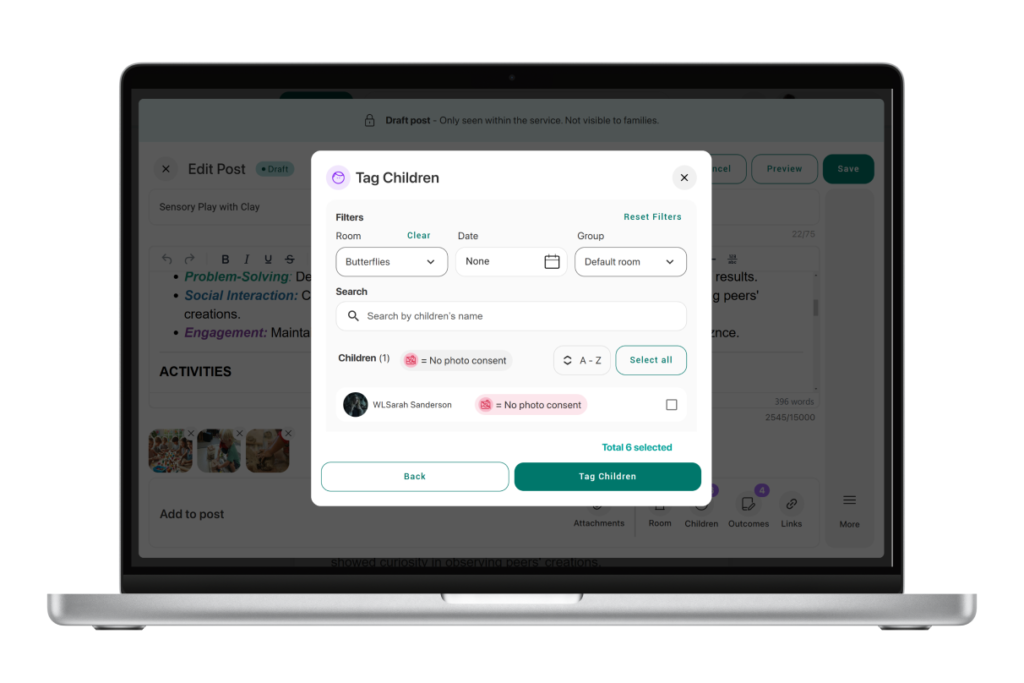
Access controls are especially important when managing photos and videos. Families expect that images of their children are only viewed and shared by the appropriate people. Strong systems and processes help provide confidence that this information remains protected.
Reducing Risk Through Secure Technology
Technology plays an important role in strengthening child-safe practices.
The National Model Code recommends the use of service-issued devices when taking images or videos of children and discourages the use of personal devices while providing education and care. This helps reduce the risk of children’s information being captured, stored or shared through uncontrolled channels.
Secure technology solutions can help services:
- Manage child information in a central location
- Control who can access sensitive records
- Reduce reliance on paper processes
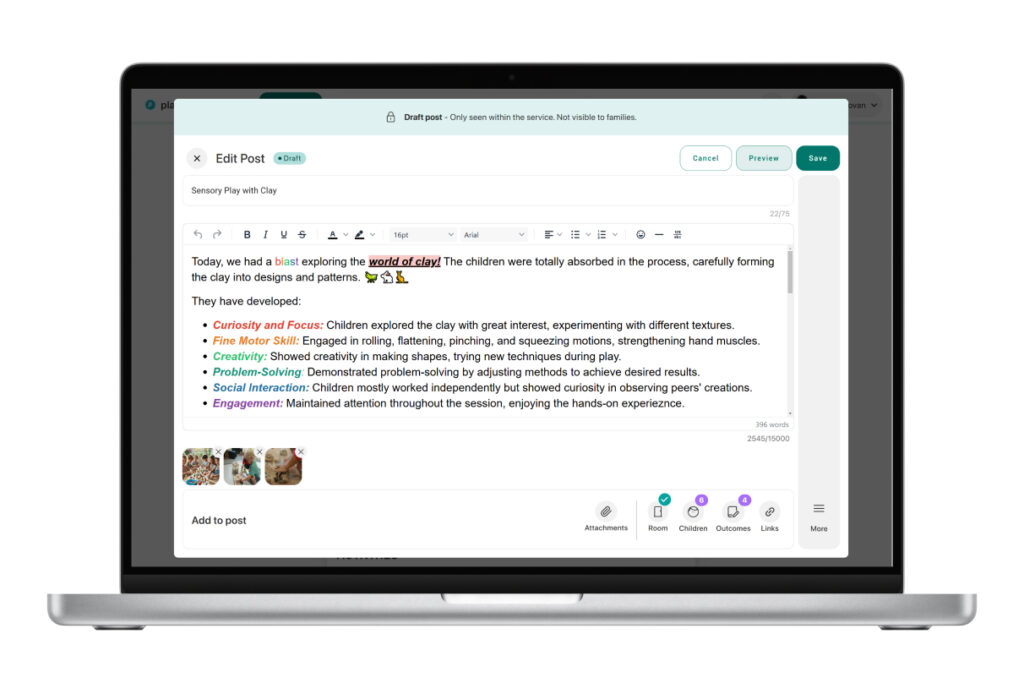
- Support secure sharing of photos and updates with families
- Maintain clear records and audit trails
- Improve consistency across teams and locations
By combining secure systems with clear policies and staff training, services can significantly reduce the risks associated with managing sensitive information.
Practical Steps Every Service Can Take
Protecting children’s information doesn’t require a complete overhaul of existing processes. Small improvements can make a meaningful difference.
Services should consider:
Reviewing Device Policies
Ensure educators are using approved devices and understand expectations around capturing, storing and sharing images of children.
Regularly Auditing User Access
Review staff permissions regularly and remove access promptly when roles change or employees leave.
You might also be interested in…



by sallitrump
-
First published: 14 October 2026
Written by: sallitrump